
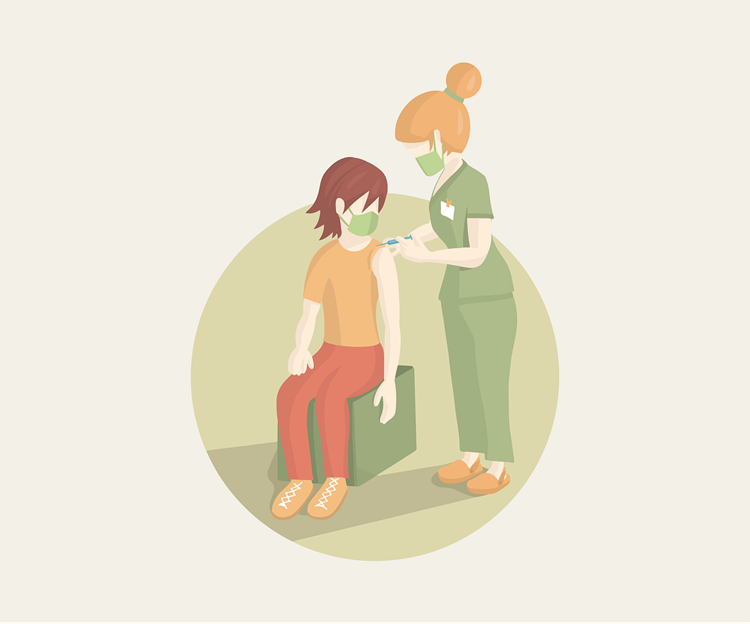

In today’s fast-paced world, families often juggle work, school, social responsibilities, and countless daily obligations. Amid these demands, health is sometimes treated reactively—addressed only when illness or injury occurs. Preventive healthcare offers a more proactive and empowering approach, helping families build resilience, reduce long-term health risks, and create a foundation for lifelong wellness. By focusing on prevention rather than cure, families can strengthen not only their physical well-being but also their emotional bonds, financial stability, and overall quality of life.
Understanding Preventive Healthcare
Preventive healthcare refers to measures taken to prevent diseases, detect health issues early, and promote overall wellness before serious problems develop. It includes routine checkups, vaccinations, screenings, healthy lifestyle choices, mental health support, and education about wellness. For families, preventive healthcare is not a one-time action but an ongoing commitment that adapts to each stage of life—from infancy and childhood to adulthood and senior years.
Rather than focusing solely on treating symptoms, preventive care aims to identify risk factors early. This proactive mindset can reduce hospital visits, lower healthcare costs, and improve long-term outcomes. More importantly, it encourages families to take shared responsibility for health, reinforcing habits that can be passed from one generation to the next.
Why Preventive Healthcare Matters for Families
Families are interconnected systems. When one member experiences poor health, it often affects everyone else emotionally, financially, and logistically. Preventive healthcare helps reduce these ripple effects by keeping each family member healthier and more resilient.
-
Early Detection Saves Lives
Regular screenings and wellness visits can identify conditions such as diabetes, high blood pressure, developmental delays, or mental health concerns before they escalate. Early detection allows for timely intervention, often leading to simpler treatments and better outcomes. -
Reduced Healthcare Costs
Preventive care can significantly lower long-term medical expenses. Routine checkups, vaccinations, and healthy lifestyle choices are far less costly than emergency treatments, surgeries, or long-term medication management. -
Improved Quality of Life
When families focus on prevention, they experience fewer sick days, more energy, better mental clarity, and improved emotional well-being. This translates into stronger relationships, increased productivity, and more time to enjoy life together.
Preventive Healthcare Across Life Stages
Prenatal and Early Childhood Care
Preventive healthcare begins even before birth. Prenatal care ensures the health of both mother and baby, reducing the risk of complications during pregnancy and delivery. Regular checkups, proper nutrition, stress management, and education about childbirth all contribute to healthier outcomes.
For infants and young children, preventive care includes vaccinations, growth and developmental screenings, and guidance on nutrition and sleep. These early interventions play a critical role in physical development, immune system strength, and cognitive growth. Parents who prioritize preventive care during these years set the stage for a lifetime of healthier habits.
School-Age Children and Adolescents
As children grow, preventive healthcare expands to include vision and hearing checks, dental care, physical activity guidance, and mental health support. School-age children benefit from routine physical exams that ensure proper growth and identify potential issues early.
Adolescence is a particularly important stage for preventive care. Physical changes, emotional development, and social pressures can impact mental and physical health. Preventive healthcare during this stage includes education on nutrition, exercise, stress management, and emotional well-being. Open communication within the family, supported by healthcare professionals, helps teens navigate this critical period with confidence.
Adult Preventive Care
For adults, preventive healthcare often focuses on managing stress, maintaining a healthy weight, and monitoring risk factors for chronic diseases such as heart disease, diabetes, and cancer. Routine screenings, wellness exams, and lifestyle counseling play a key role in maintaining long-term health.
Parents who model preventive healthcare behaviors—such as regular exercise, balanced nutrition, and routine checkups—teach their children the value of self-care by example. These habits reinforce the idea that health is a lifelong priority, not just something to address when problems arise.
Senior and Multigenerational Care
In multigenerational families, preventive healthcare supports aging members while strengthening family connections. Regular mobility assessments, cognitive screenings, fall prevention strategies, and social engagement help seniors maintain independence and quality of life.
When families actively support preventive care for older relatives, it fosters respect, empathy, and shared responsibility. This collaborative approach benefits everyone, creating a culture of care that values health at every age.
Preventative Healthcare Chiropractic
Preventative healthcare chiropractic focuses on maintaining spinal alignment and nervous system health to help the body function at its best before pain or illness develops. Through regular chiropractic checkups and gentle adjustments, individuals and families can address minor imbalances early, reduce stress on the spine, and support natural healing processes. This proactive approach may help improve posture, mobility, and overall wellness while lowering the risk of chronic discomfort. By emphasizing prevention rather than reaction, chiropractic care becomes a valuable part of a long-term, holistic health strategy.
The Role of Lifestyle in Preventive Healthcare
Preventive healthcare extends beyond doctor visits. Daily lifestyle choices are some of the most powerful tools families have to protect their health.
Nutrition as a Family Practice
Healthy eating habits are easier to maintain when practiced together. Family meals provide an opportunity to model balanced nutrition, encourage mindful eating, and strengthen emotional bonds. Prioritizing whole foods, fruits, vegetables, lean proteins, and adequate hydration supports energy levels, immune function, and overall wellness.
Involving children in meal planning and preparation helps them develop a positive relationship with food and understand its role in health. These lessons often carry into adulthood, reducing the risk of chronic illness later in life.
Physical Activity and Movement
Regular physical activity is a cornerstone of preventive healthcare. Families who move together—through walking, sports, yoga, or outdoor play—benefit from improved cardiovascular health, stronger muscles, and better mental well-being.
Exercise also reduces stress and improves sleep, which are essential for both physical and emotional health. By making movement a shared activity rather than a chore, families create enjoyable routines that promote long-term wellness.
Mental and Emotional Well-Being
Preventive healthcare includes caring for mental health just as much as physical health. Open communication, emotional support, and stress-management strategies help families navigate challenges more effectively.
Mindfulness practices, adequate rest, and seeking professional support when needed can prevent burnout, anxiety, and depression. When families normalize conversations about mental health, they reduce stigma and encourage early intervention.
Preventive Healthcare and Family Education
Education is a powerful component of preventive healthcare. When families understand how the body works, what risk factors to watch for, and how lifestyle choices affect health, they are better equipped to make informed decisions.
Preventive healthcare encourages families to ask questions, seek reliable information, and collaborate with healthcare providers. This partnership empowers families to take ownership of their health rather than relying solely on reactive treatments.
Teaching children about hygiene, nutrition, physical activity, and emotional regulation builds health literacy from a young age. These skills not only protect individual health but also contribute to healthier communities.
Strengthening Family Bonds Through Shared Health Goals
Preventive healthcare has a unique ability to bring families closer together. Setting shared health goals—such as improving nutrition, increasing physical activity, or reducing stress—creates a sense of teamwork and mutual accountability.
When families support each other’s wellness journeys, they build trust, empathy, and resilience. Celebrating small successes, such as completing a fitness challenge or maintaining consistent routines, reinforces positive behaviors and strengthens relationships.
Overcoming Barriers to Preventive Healthcare
Despite its benefits, some families face challenges in accessing preventive healthcare, including time constraints, financial concerns, or lack of awareness. Addressing these barriers requires creativity and commitment.
Scheduling regular checkups in advance, prioritizing wellness as a family value, and seeking community resources can make preventive care more accessible. Even small, consistent steps—such as daily walks or home-prepared meals—can have a significant impact over time.
The Long-Term Impact of Preventive Healthcare on Families
The true value of preventive healthcare lies in its long-term effects. Families who prioritize prevention often experience fewer chronic illnesses, stronger emotional connections, and greater financial stability. Children raised in health-conscious environments are more likely to continue these practices as adults, creating a positive cycle that spans generations.
Preventive healthcare is not about perfection but about progress. Each healthy choice, routine checkup, and supportive conversation contributes to a stronger, more resilient family unit.
Conclusion
Building stronger families through preventive healthcare is an investment in the future. By focusing on early detection, healthy lifestyles, mental well-being, and shared responsibility, families can reduce health risks and enhance their overall quality of life. Preventive care empowers families to move from a reactive approach to a proactive one—one that values wellness, connection, and long-term vitality.